Read this if you want clear answers as to which oil is good for you. Olive Oil People who regularly use olive oil tend to have a lower risk of heart disease, type 2 diabetes, and dying early from any cause. It helps lower LDL (bad cholesterol) while slightly raising HDL (good cholesterol). It’s also praised for its anti-inflammatory …

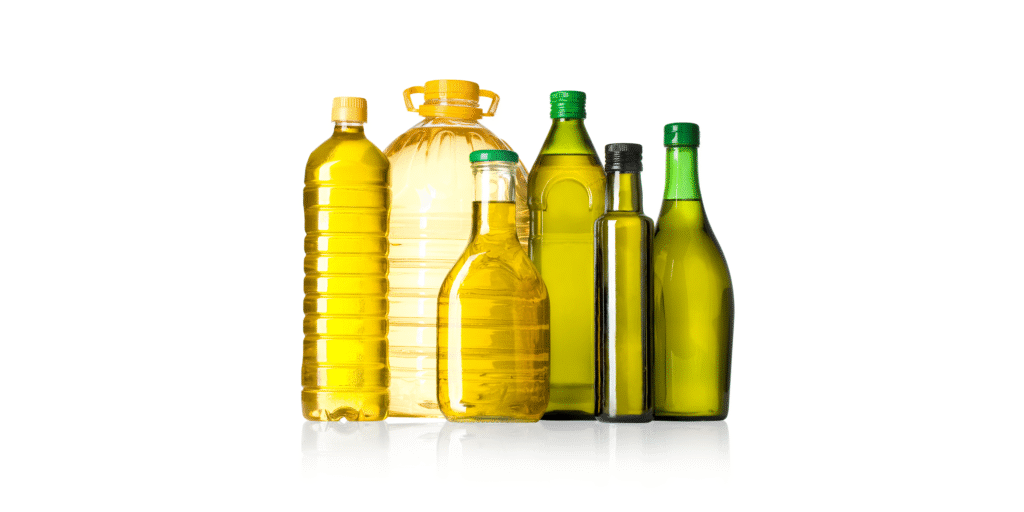
Read this if you want clear answers as to which oil is good for you.
Olive Oil
People who regularly use olive oil tend to have a lower risk of heart disease, type 2 diabetes, and dying early from any cause.
It helps lower LDL (bad cholesterol) while slightly raising HDL (good cholesterol). It’s also praised for its anti-inflammatory properties and protective effects on blood vessels. This is because it’s rich in monounsaturated fats (MUFAs) and natural antioxidants called polyphenols. Eating foods with anti-inflammatory effects – like olive oil, fatty fish, or vegetables – can help protect your cells and organs from long-term damage.
Canola Oil
Canola oil is often underestimated, but it also offers real health benefits.
It’s low in saturated fat, high in omega-3 alpha-linolenic acid (ALA), and contains both MUFAs and PUFAs (polyunsaturated fats). Clinical trials have shown that canola oil can help reduce total cholesterol, LDL, and triglycerides, and may even contribute to modest weight loss when used in place of saturated fats. While it doesn’t have as strong an antioxidant profile as olive oil, it’s a neutral, heart-friendly oil (and definitely less expensive!) that works well in everyday cooking.
Coconut Oil
Now to the controversial one.
Coconut oil is about 90% saturated fat, which is far higher than butter or lard. While it does raise HDL (good cholesterol), multiple clinical trials and meta-analyses show it also significantly increases LDL (bad cholesterol) – the type most closely associated with heart disease risk. There’s no strong evidence that coconut oil improves weight, blood sugar, or inflammation markers. In fact, compared to vegetable oils like canola and olive oil, coconut oil tends to worsen cholesterol profiles overall, which raises concern for long-term heart health.
So, Which Oil Should You Use?
Instead of obsessing over one “best oil,” think about your overall eating pattern. Here are practical, evidence-backed tips:
DO choose
Canola oil for sautéing, frying, or as a neutral all-around cooking oil
Olive oil (preferably extra virgin) for salad dressings, dips, low-heat cooking
Other PUFA-rich oils in moderation: soybean, sunflower, sesame
Coconut milk for cooking: Ginataang Langka, Laing, Ginataang Tilapia, etc.
Limit
Coconut oil, especially for those with high LDL or CVD risk, regardless if it’s virgin or not.
Palm oil, often used in processed and fried foods
Over-reliance on fried food, even when using “healthy” oils
For Lipid Profile and Heart Health:
Replace saturated fats (e.g., lard, butter, coconut oil) with unsaturated fats such as:
Monounsaturated Fatty Acids (MUFA) found in olive oil, canola oil, avocados, nuts (almonds, peanuts, etc).
Polyunsaturated Fatty Acids Omega-3 (Alpha-linolenic acid or ALA) found in canola oil, flaxseeds, chia seeds, walnuts
Omega-6 (Linoleic acid) found in canola oil, soybean oil, corn oil, sunflower oil, nuts and seeds
Focus on whole dietary patterns: more plants, fiber, omega-3s
Keep oil intake moderate – even healthy oils are calorie-dense
For Weight Management:
Avoid oily foods. Instead:
Measure oil with spoons (not by pouring directly)
Use nonstick pans or air fryers
Prioritize fiber-rich meals to balance out fat intake
Bottom Line
You don’t need to fear oils – but you do need to choose wisely.
In the fight against heart disease, olive oil and canola oil remain reliable allies. Coconut oil – not so much.
When in doubt, look at the bigger picture:
The healthiest diets – whether Mediterranean or Asian or Pinoy – don’t just avoid the bad. They celebrate the good: plants, whole grains, root crops, lean proteins and yes – just the right kinds of oils.
References
Pourrajab, B., Sharifi-Zahabi, E., Soltani, S., Shahinfar, H., & Shidfar, F. (2023). Comparison of canola oil and olive oil consumption on the serum lipid profile in adults: A systematic review and meta-analysis of randomized controlled trials. Critical Reviews in Food Science and Nutrition, 63(33), 12270–12284. https://doi.org/10.1080/10408398.2022.2100314
Neelakantan, N., Seah, J. Y. H., & van Dam, R. M. (2020). The effect of coconut oil consumption on cardiovascular risk factors: A systematic review and meta-analysis of clinical trials. Circulation, 141(10), 803–814. https://doi.org/10.1161/CIRCULATIONAHA.119.043052
Martínez-González, M. A., Sayón-Orea, C., Bullón-Vela, V., Bes-Rastrollo, M., Rodríguez-Artalejo, F., Yusta-Boyo, M. J., & García-Solano, M. (2022). Effect of olive oil consumption on cardiovascular disease, cancer, type 2 diabetes, and all-cause mortality: A systematic review and meta-analysis. Clinical Nutrition, 41(12), 2659–2682. https://doi.org/10.1016/j.clnu.2022.10.001
Amiri, M., Raeisi-Dehkordi, H., Sarrafzadegan, N., Forbes, S. C., & Salehi-Abargouei, A. (2020). The effects of canola oil on cardiovascular risk factors: A systematic review and meta-analysis with dose-response analysis of controlled clinical trials. Nutrition, Metabolism and Cardiovascular Diseases, 30(12), 2133–2145. https://doi.org/10.1016/j.numecd.2020.06.007
Voon, P. T., Ng, C. M., Ng, Y. T., Wong, Y. J., Yap, S. Y., Leong, S. L., Yong, X. S., & Lee, S. W. (2024). Health effects of various edible vegetable oils: An umbrella review. Advances in Nutrition, 15(9), 100276. https://doi.org/10.1016/j.advnut.2024.100276
Riccardi, G., Giosuè, A., Calabrese, I., & Vaccaro, O. (2022). Dietary recommendations for prevention of atherosclerosis. Cardiovascular Research, 118(5), 1188–1204. https://doi.org/10.1093/cvr/cvab173
Lim, G. H., Neelakantan, N., Lee, Y. Q., Park, S. H., Kor, Z. H., van Dam, R. M., Chong, M. F.-F., & Chia, A. (2024). Dietary patterns and cardiovascular diseases in Asia: A systematic review and meta-analysis. Advances in Nutrition, 15(7), 100249. https://doi.org/10.1016/j.advnut.2024.100249